
Beauty
How to Build a Gentle Night Skincare Routine
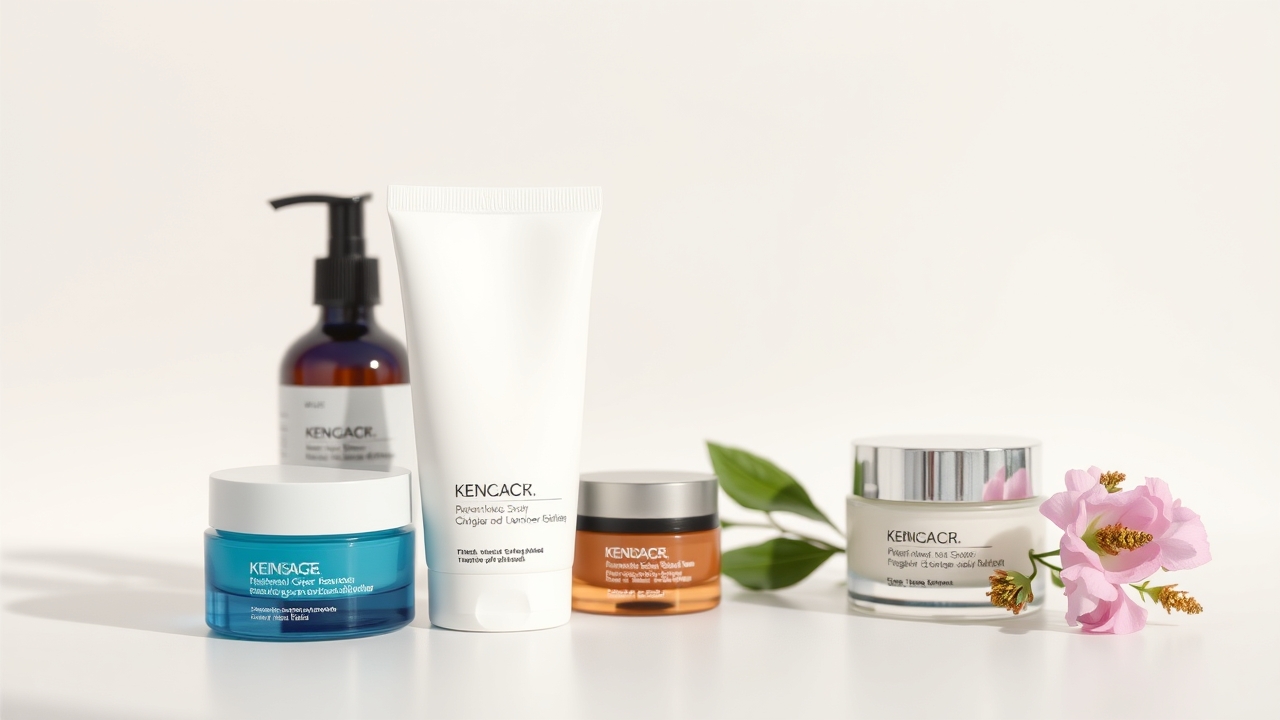
A calm evening routine can soothe reactive skin and support its barrier while you rest. Here is a simple, gentle plan anyone can follow.
Redness can come from many places: a weakened barrier, weather changes, harsh products, spicy food, stress, or skin conditions such as rosacea or eczema. Because the cause shapes the fix, noticing your triggers is the first useful step. If redness is constant, painful, or comes with bumps, a dermatologist can confirm what is really going on.
Cut back to the basics: a gentle, non-stripping cleanser; a soothing toner or serum; and a fragrance-free moisturiser. Drop bar soaps, stiff cleansing brushes, alcohol toners, and anything with perfume or essential oils, since these are common culprits that keep skin flushed. Wash with lukewarm water, not hot, and pat dry instead of rubbing.
Ceramides, panthenol, centella asiatica, niacinamide, and allantoin help rebuild the barrier and ease the look of irritation. A very mild BHA such as low-strength salicylic acid can calm redness tied to breakouts, but skip gritty scrubs that can micro-tear sensitive skin. A cool compress for a few minutes can take the heat out of a flare.
UV exposure is a major reason redness returns. A mineral sunscreen with zinc oxide or titanium dioxide is usually the gentlest choice for reactive skin, worn every morning and reapplied as needed. Hats and shade add a layer of protection that even the best cream cannot replace.
If gentle care does not settle things within a couple of weeks, or if you notice scaling, swelling, or vision changes around the eyes, book a professional visit. Prescription options such as azelaic acid or calming topical treatments can make a real difference, and a clinician can rule out anything that needs targeted care.
A calm evening routine can soothe reactive skin and support its barrier while you rest. Here is a simple, gentle plan anyone can follow.
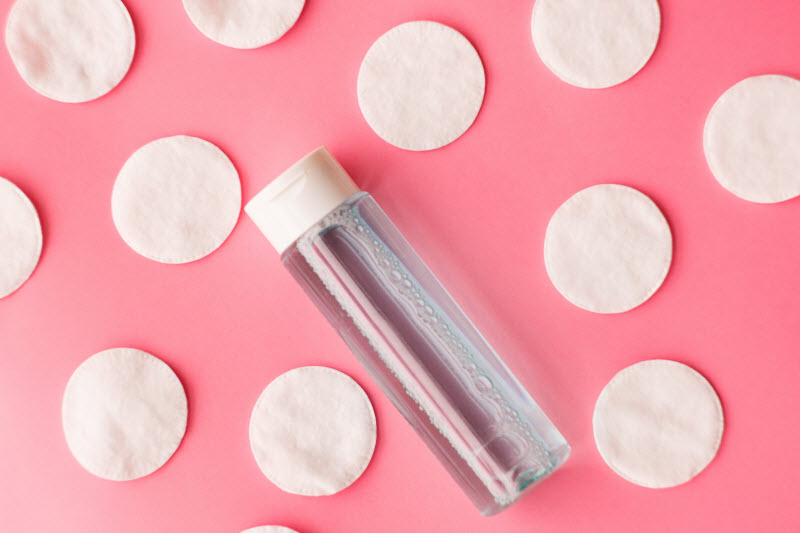
Toners are no longer the stinging step of the past. Match the formula to your skin type and it becomes a quiet hydrator your routine can rely on.

Eye makeup feels intimidating until you learn where each shade goes. A three-colour map and soft blending are all it takes to look polished.