
Beauty
How to Build a Gentle Night Skincare Routine
A calm evening routine can soothe reactive skin and support its barrier while you rest. Here is a simple, gentle plan anyone can follow.
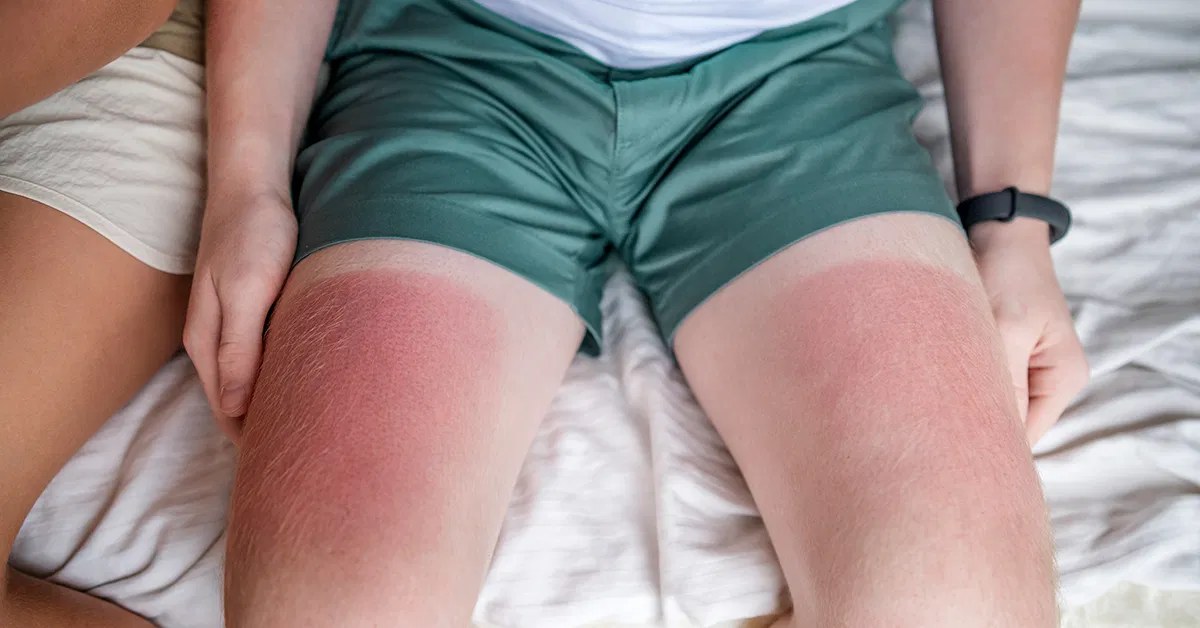
The moment you notice a burn, step indoors or into shade. Further UV only deepens the damage, so protecting the skin from more light is the first and most important move. Loose, breathable clothing over the area helps once you are inside.
Frequent cool baths or showers take the heat out of stinging skin. Afterward, pat gently and apply a moisturiser with aloe vera or soy while the skin is still damp. A cool, damp washcloth on the worst spots, or a colloidal oatmeal bath, can calm the discomfort. Do not put ice directly on the skin, which can make things worse.
A sunburn pulls fluid to the surface, so skin dries out fast. A fragrance-free moisturiser used several times a day, plus a calamine lotion if itching is bothersome, helps the barrier recover. Drink extra water, because the body can become dehydrated even when you do not feel thirsty.
If the skin blisters, that is a second-degree burn. Leave the blisters alone, keep them clean, and protect them with petroleum jelly rather than popping them, since they guard against infection. Over-the-counter pain relief such as ibuprofen can ease swelling and discomfort if suitable for you.
Most mild burns heal with home care, but seek medical advice for a large area of blistering, fever, chills, nausea, dizziness, or signs of dehydration. Once healed, daily broad-spectrum SPF 30 or higher prevents the next burn, because repeated sunburn raises long-term skin risks. A dermatologist can guide care for anyone prone to severe reactions.
A calm evening routine can soothe reactive skin and support its barrier while you rest. Here is a simple, gentle plan anyone can follow.
Toners are no longer the stinging step of the past. Match the formula to your skin type and it becomes a quiet hydrator your routine can rely on.
Eye makeup feels intimidating until you learn where each shade goes. A three-colour map and soft blending are all it takes to look polished.